Aluminium windows in Horsham for wide 1970s and later glazing
Slimline aluminium keeps the glass wide on houses designed around big windows.
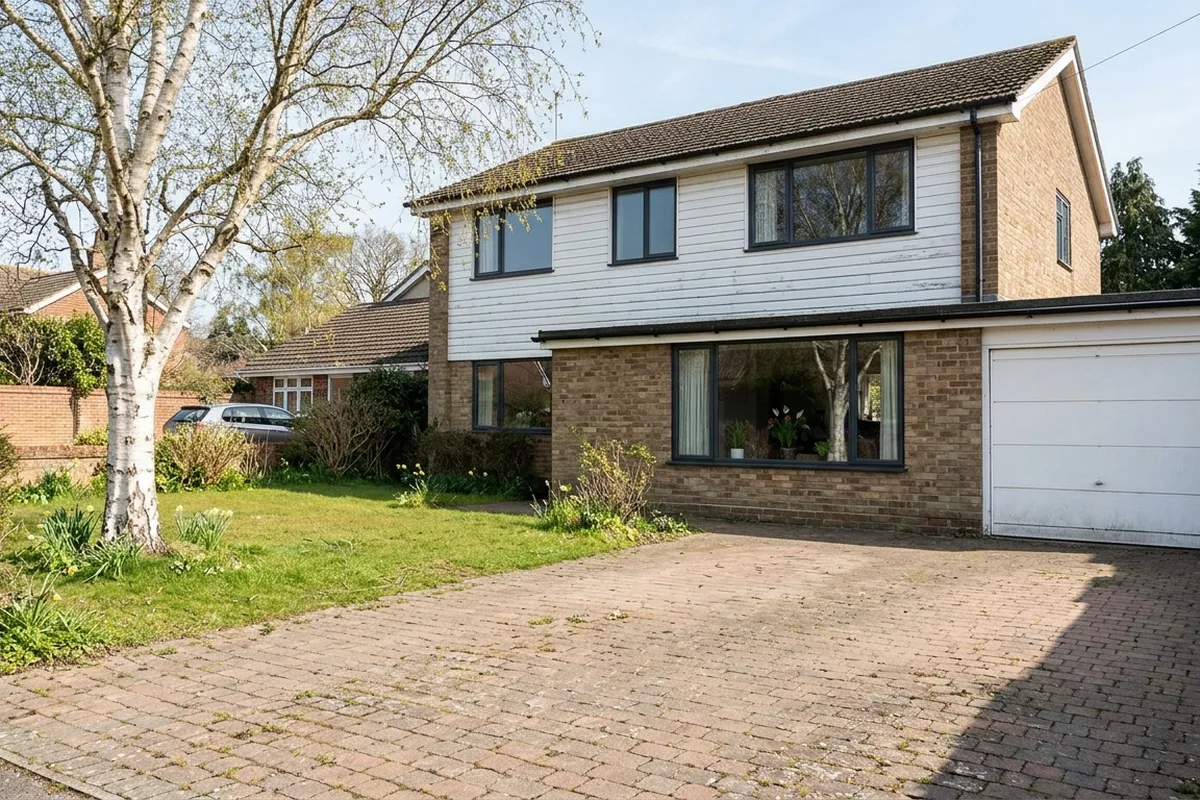
The Highlands farm estate was developed in the 1970s with large houses aimed at business executives. Houses of that period were designed with long runs of glass, picture windows and top-hung vents. When the first double glazing went in, those windows often gained thick white frames that ate into the glass. Slimline aluminium gives that glass back.
Where aluminium makes sense in Horsham
Aluminium suits houses whose windows are wide, whose owners want dark frames, or which originally had steel windows. That covers much of the 1970s and 1980s detached housing around the town, plus some interwar houses that were built with metal casements. On a Victorian terrace aluminium sash is a premium product and rarely the right choice; uPVC sash is better value there.
Slimline casement or flush
Slimline aluminium casements have narrow frames and suit modern houses. Aluminium flush casements sit level with the frame and suit older houses that need a joinery look with slim sections. Steel-look aluminium, with true glazing bars, is a heritage option for houses that had Crittall-type windows.
Whole house or one at a time
Aluminium windows cost less each when a whole house is done at once, because the survey, delivery and fitting are spread over more windows. One aluminium window on its own costs more per window than the same window in a whole-house job.
Illustrative example of a typical job
Whole house in slimline aluminium, a 1970s Highlands detached
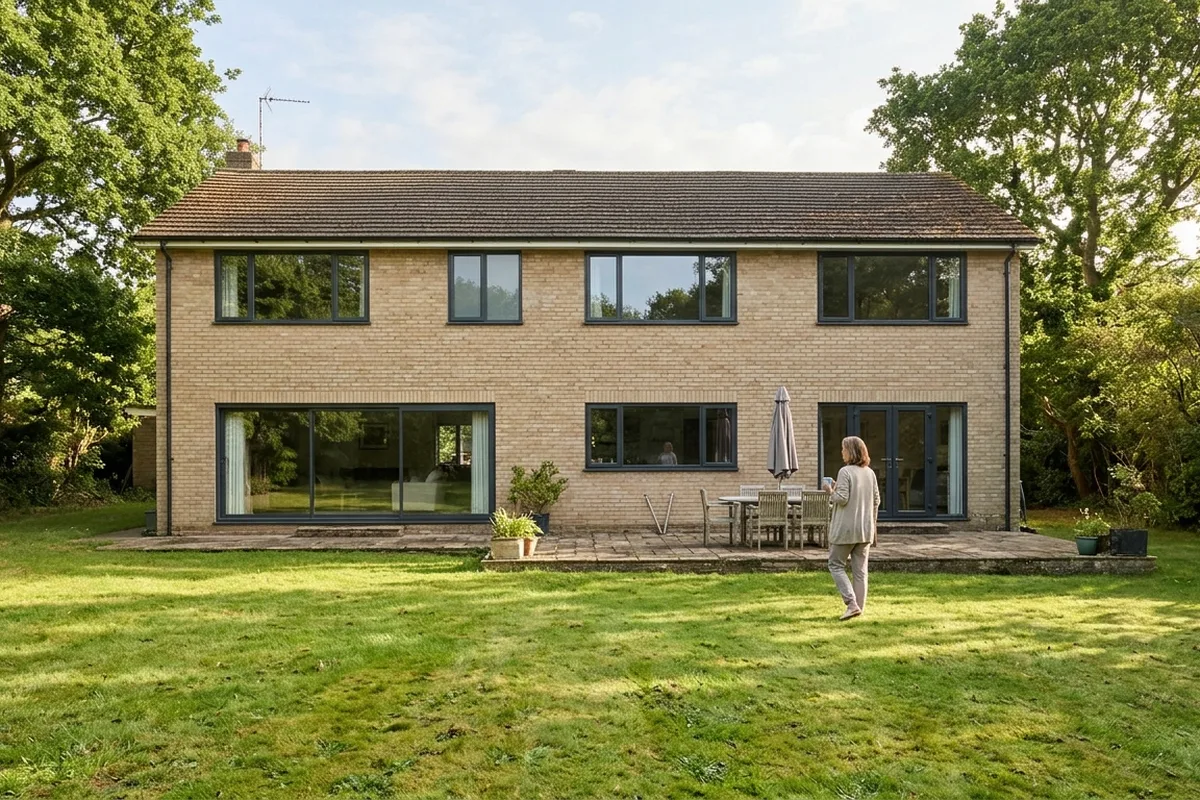
House: A large 1970s detached house of the kind built on the Highlands farm estate for business executives.
What is fitted: Twelve slimline aluminium casements, about 1200 by 1200 mm, replacing the first double glazing throughout. The garden doors had already been changed to dark grey aluminium a few years earlier, so they are kept and the new windows are matched to them.
Typically £16,200 to £30,600, supplied and fitted, including VAT.